OSHA PPE Requirements Explained
TL;DR: Understanding OSHA PPE requirements is essential for protecting workers and maintaining compliance with federal safety standards. This blog explains how OSHA defines PPE, what employers are responsible for, and how to choose the right equipment for different jobs and hazards.
- OSHA requirements for PPE are based on workplace hazard assessments and job-specific risks.
- Employers must provide personal protective equipment (PPE) at no cost and ensure proper training.
- PPE must have a proper fit to effectively protect workers and prevent injuries.
- New OSHA PPE requirements emphasize inclusive sizing and better fit across all body types.
- Common types of PPE include eye, head, hand, respiratory, body, and foot protection.
Personal Protective Equipment (PPE) plays a critical role in protecting workers from serious injuries and illnesses. The Occupational Safety and Health Administration (OSHA) has set clear standards to ensure employees are properly equipped on the job. Whether you're new to PPE regulations or just need a refresher, this guide breaks down the OSHA PPE requirements every employer and employee should know.
What PPE Is Required by OSHA?
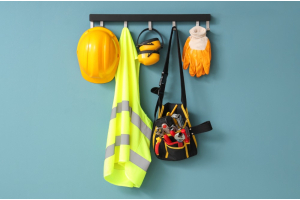
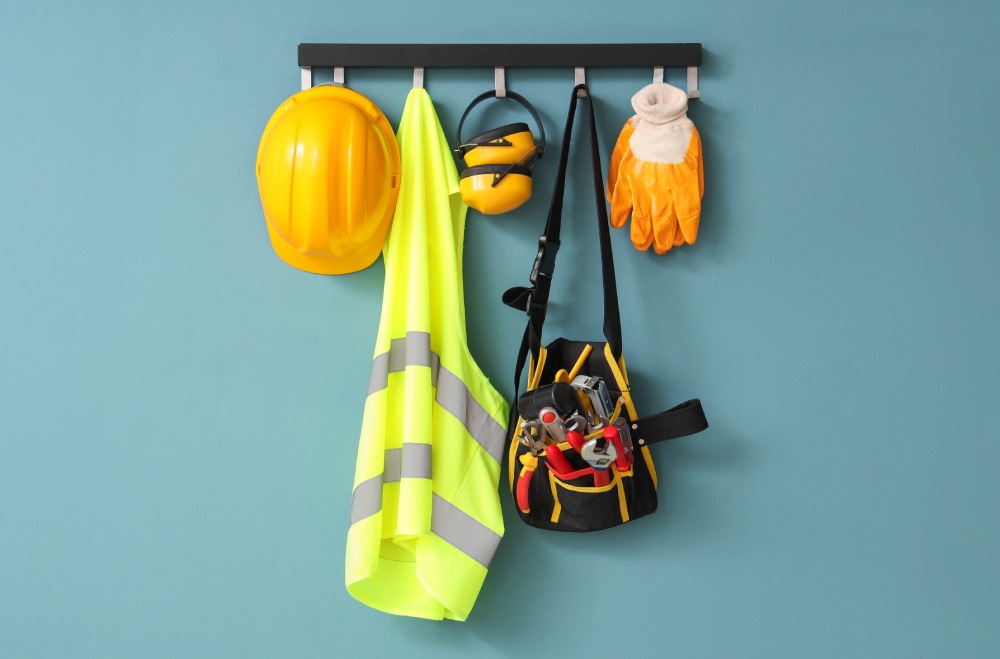
OSHA defines personal protective equipment (PPE) as gear worn to minimize exposure to hazards that cause workplace injuries and illnesses. This includes gloves, safety glasses, earplugs, hard hats, respirators, protective clothing, and more.
The specific PPE required by OSHA depends on the nature of the job and the associated risks. For example:
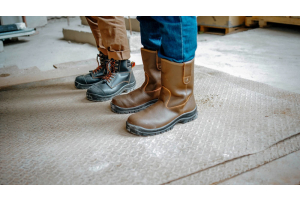
- Construction workers may need hard hats and steel-toed boots
- Welders might require face shields, gloves, and fire-resistant gear
- Lab technicians often wear goggles, gloves, and lab coats
To determine what PPE is required by OSHA, employers must conduct a hazard assessment for each role.
OSHA Requirements for PPE
Here’s what employers need to know about OSHA requirements for PPE:
- Hazard Assessment: Employers must evaluate the workplace to identify hazards and determine the necessary types of PPE.
- Provision of PPE: PPE must be provided at no cost to employees when required by OSHA standards.
- Training: Workers must be trained on when and how to use PPE, including how to put it on, take it off, adjust it, and wear it properly.
- Maintenance: Employers are responsible for ensuring PPE is clean, reliable, and well-maintained.
- Fit: PPE must offer a proper fit—poorly fitting equipment can fail to protect workers and increase risk.
These PPE requirements OSHA outlines are non-negotiable and enforceable through inspections and penalties.
New OSHA PPE Requirements
In recent years, OSHA has emphasized the importance of fit and accessibility in its updates. One of the new OSHA PPE requirements includes ensuring proper fit across all body types and genders. This change aims to provide better protection for a diverse workforce and reduce injuries due to ill-fitting gear.
Employers should also stay up to date on changes for specific industries like construction, healthcare, and manufacturing, as OSHA frequently revises its guidance to reflect current risks and technologies.
Understanding the Types of PPE
The main types of PPE required under OSHA standards include:
- Eye and face protection (goggles, face shields)
- Head protection (hard hats)
- Hearing protection (earplugs, earmuffs)
- Respiratory protection (masks, respirators)
- Hand protection (gloves)
- Body protection (coveralls, aprons)
- Foot protection (steel-toe boots)
Each type of PPE is designed for specific hazards and must meet OSHA’s safety criteria.
Protecting Your Team with OSHA-Compliant PPE
Following OSHA PPE requirements is more than just compliance—it’s a critical step in protecting your workforce and fostering a culture of safety. Employers must take the lead in selecting, providing, and maintaining proper PPE while ensuring their teams are fully trained.
By understanding what PPE is required by OSHA and staying on top of new OSHA PPE requirements, you can create a safer, more productive work environment.